The reason, every time
A wrong answer shows the correct one and why it is right. Written and spoken answers get marked point by point against a model answer.
Not just a tick or a crossSwaVid Training Ground · Chapter practice
One question from your child's NCERT chapter at a time. A wrong answer shows the correct one and the reason it's right, on screen until your child presses Continue — not just a tick or a cross.
Sessions resume where your child stopped. Answers are checked by SwaVid, not by the child.
Ravi buys 3 pens and one notebook for ₹52. The notebook costs ₹16. What is the cost of one pen?
52 − 16 = 36 is the cost of all 3 pens together. Divide by 3 to get one pen: 36 ÷ 3 = ₹12.
Five ways to answer
The same chapter can also be practised by filling a blank, speaking a short answer, explaining in full, or showing every step of working.
Multiple choice is the format most used today. Typed and spoken answers are newer and still catching up in daily use.
How a session runs
The page suggests the chapter practised last, or the one the study plan flags for today. Before a class test, pick any chapter directly.
After a wrong answer, the correct one and the stored reason appear and stay on screen until your child presses Continue.
One wrong MCQ answer is not a verdict. The next question tests the same idea again. Only a second miss sends it down to the concept underneath.
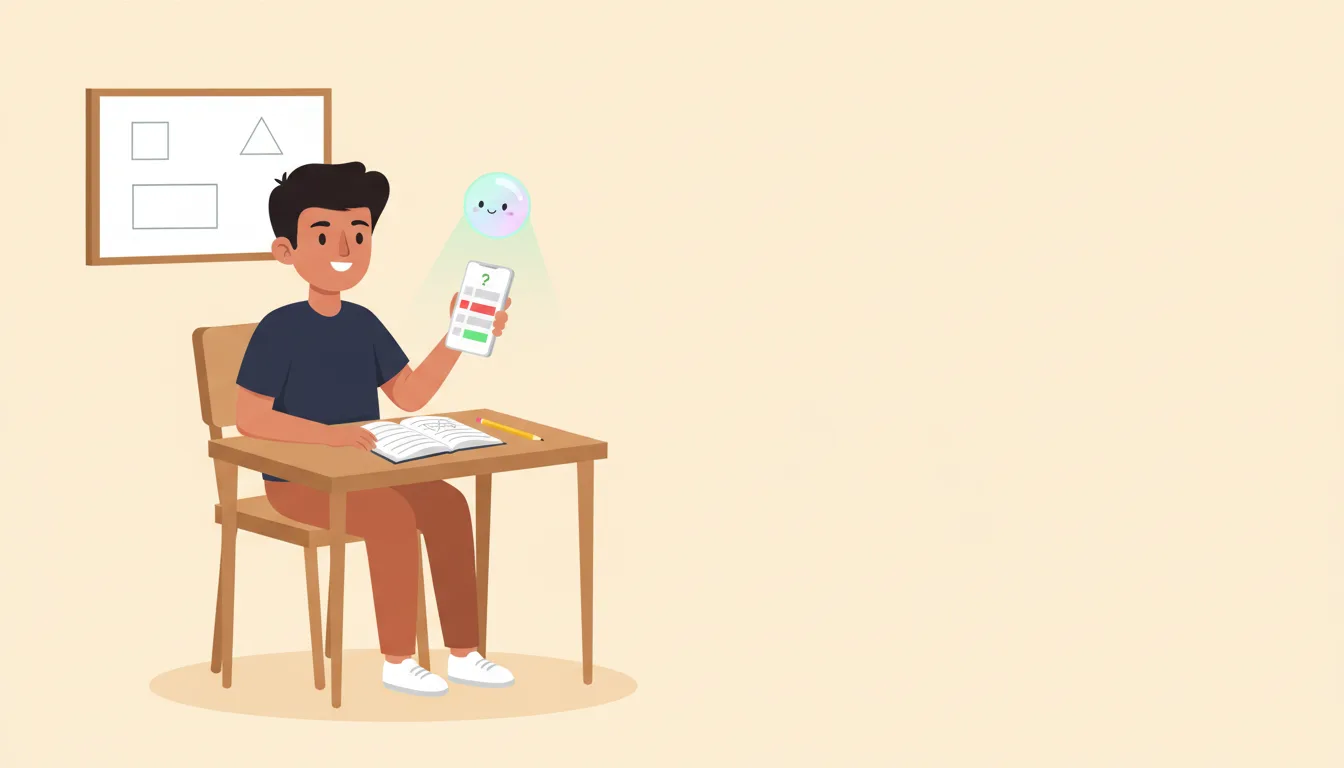
What changes for your child
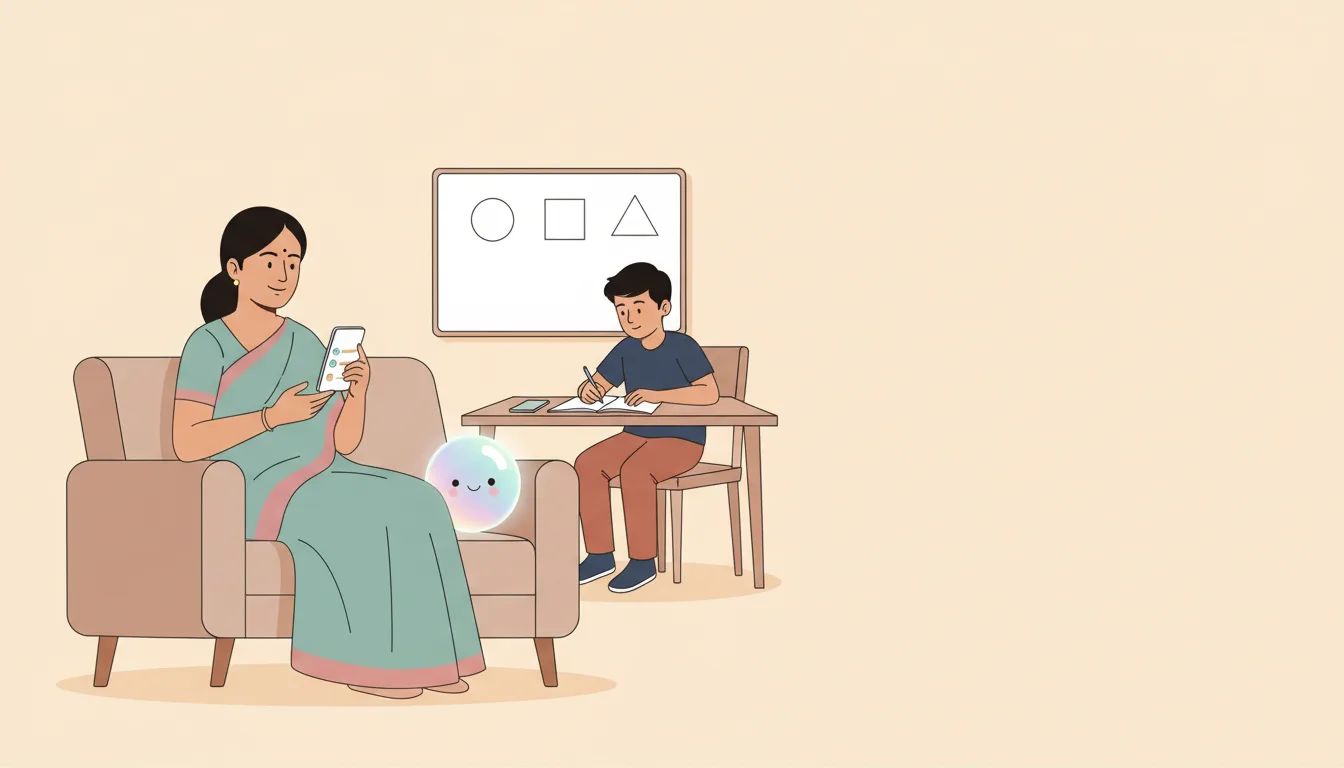
What you see as a parent
What it will not do
Questions parents ask
A session covers the chapter's question bank for the format chosen, for example 24 multiple-choice questions. Your child can stop any time and it resumes at the same question later.
Yes. The page suggests a chapter, but any chapter in the list can be picked, along with the answer format. Before a test on Force and Pressure, pick that chapter directly.
SwaVid checks them against a value-point scheme, the way a CBSE examiner marks, and shows a model answer. The typed and spoken formats are newer than multiple choice, so expect them to keep improving.
In multiple choice, one wrong answer is not treated as a gap. The next question checks the same idea again, and only a second miss on it sends your child down to the simpler idea underneath.
The rest of SwaVid
Asks one question at a time and waits. It does not hand over the answer.
AI BuddyA private space for your child to talk. Nothing here is marked.
Doubt SolverPhotograph the notebook page. It finds the wrong step and explains the method.
Learning JourneyEvery chapter on one map, and one thing to do today.
Parent viewWhat was finished today, what is still not clear, one question for dinner.
Related reading
A better place to begin
Create a free account, pick the chapter, and let the first session show you where the gaps are.